
Hot flashes and night sweats get most of the attention. But for many women, perimenopause and menopause also bring changes "down there" that nobody warned them about: pelvic pressure, heaviness, leaking, dryness or needing to pee all the time.
Too often, women are told these symptoms are just part of getting older. They're common—but they're not something you have to live with. Your pelvic floor can get stronger and feel better at any age.
For the bigger picture on menopause and your pelvic floor, read Menopause & Pelvic Health: It’s Time for a Reboot. This post focuses on pelvic pressure and heaviness in midlife.
What You Might Notice
A heavy or dragging feeling in your pelvis
Pressure or a bulge in the vaginal area
Leaking when you cough, sneeze, laugh or exercise
Sudden urges to pee, or going more often
More frequent urinary tract infections
Vaginal dryness, burning or irritation
Pain or discomfort with sex
Many women notice these symptoms in their 40s, during perimenopause, well before their periods stop.
Why Does This Happen?
Declining Estrogen: Estrogen helps keep the tissues of your vagina, bladder and pelvic floor thick, elastic and well supported. As levels drop, these tissues can become thinner, drier and less supportive. This is sometimes called genitourinary syndrome of menopause.
Changes in Muscle Strength: We naturally lose muscle mass as we age, and the pelvic floor is no exception, especially if it isn't being trained.
Years of Load Add Up: Past pregnancies, births, constipation, heavy lifting and chronic coughing can all show up as symptoms once hormonal support declines.
Prolapse: The combination of hormonal changes and weakened support makes midlife a common time for prolapse symptoms to appear or worsen. Read more about prolapse here.
When to Call Your Doctor
See your doctor promptly for any vaginal bleeding after menopause, as well as for fever, burning with urination, blood in your urine, a bulge that won't go back in, or new and severe pelvic pain.
It's also worth asking your doctor about vaginal estrogen. This low-dose, local treatment can help with dryness, irritation, urgency and recurrent UTIs, and works well alongside pelvic floor therapy.
What You Can Do
Keep Strength Training: Lifting weights helps protect your bones, muscles and metabolism through menopause. Learning to lift with good breath and pressure management protects your pelvic floor, too.
Breathe Out on Effort: Exhale as you lift, stand up or push, instead of holding your breath.
Watch for Bladder Irritants: Caffeine, alcohol, carbonated drinks and artificial sweeteners can make urgency worse for some women.
Use a Vaginal Moisturizer: Regular use of a vaginal moisturizer, and lubricant during sex, can ease dryness and discomfort.
Keep Bowels Moving: Fiber, water and a footstool help prevent straining.
How Pelvic Floor Therapy Helps in Midlife
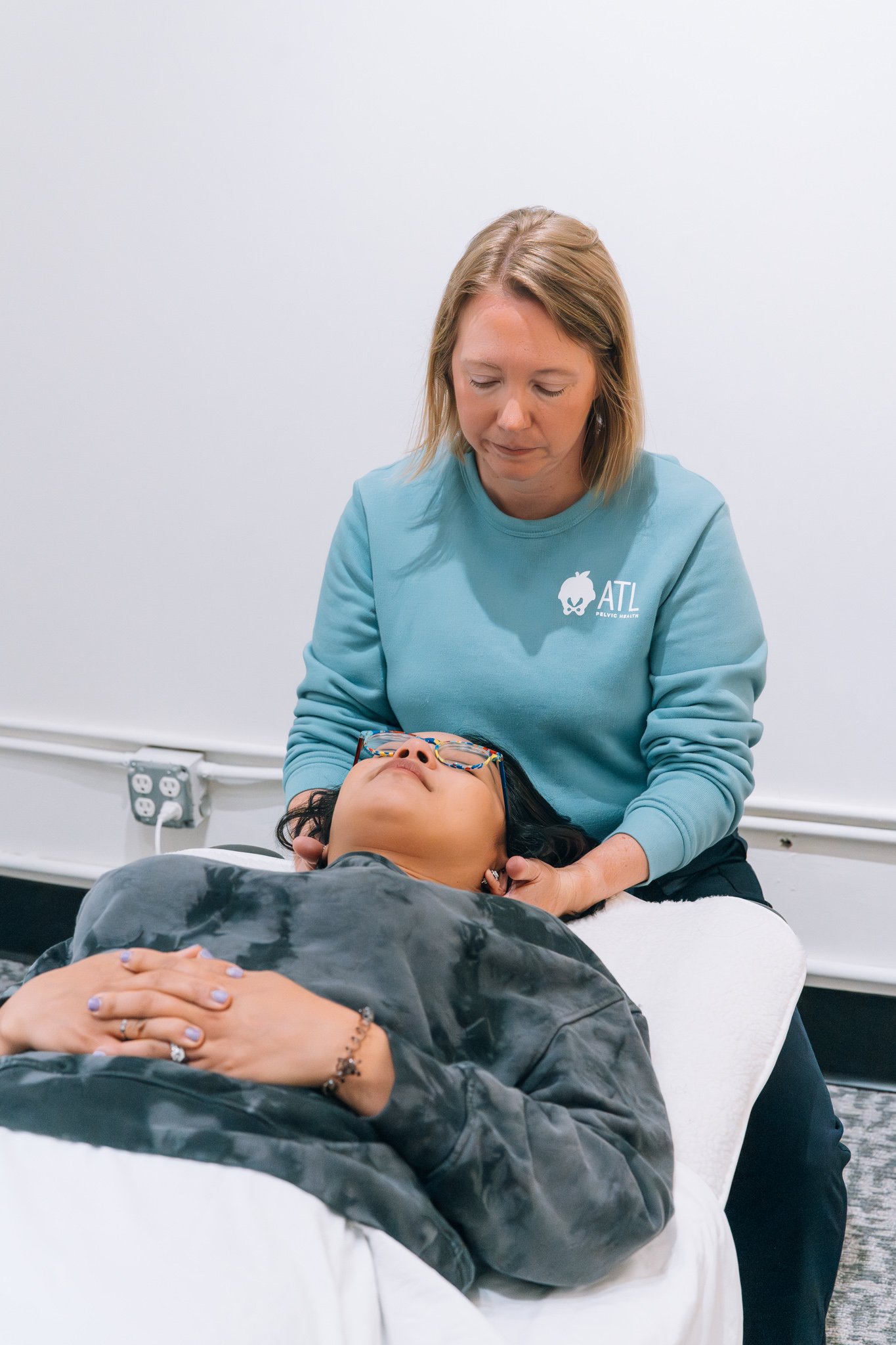
At ATL Pelvic Health, we see so many women in perimenopause and menopause who wish they'd come in sooner. Our whole-body approach includes:
A Thorough Assessment: With your consent, we assess your pelvic floor strength, endurance, coordination and any prolapse, plus how your hips, core and breathing work together.
Pelvic Floor Strengthening—or Relaxing: Some women need more strength. Others need to release tension. Most need better coordination. We find out which applies to you.
Strength & Movement Coaching: We help you train safely for life, sport and lifting, with a pelvic floor that keeps up.
Bladder Retraining: Techniques to calm urgency and reduce how often you need to go.
Support Options: When prolapse is involved, we can talk through options like a pessary alongside therapy.
This Chapter Can Feel Strong
Menopause is a transition, not a decline. With the right support, you can stay active, confident and comfortable in your body for decades to come.
Ready to feel more supported in your body? Our team is ready to help!